
If 2026’s home trends have a through-line, it’s this: we’ve collectively decided that our living spaces should feel like something. DIY has drifted away from disposable “fast-crafts” and toward intentionality, sustainability, and honest-to-goodness texture—the kind of projects that leave you with one-of-one pieces instead of landfill filler Craft Loft.
At the same time, the smart-home aisle has finally become genuinely DIY-friendly, with locks, lights, and gardens you can install on a lazy Saturday afternoon Porch Group Media.
I’ve spent a while digging through trend reports, tester roundups, and the kinds of deep-dive reviews that actually open the box. What follows are ten products doing real work in 2026—each backed by sources I actually read, and each earning its spot for a reason.
1. Rug Tufting Gun Starter Kit
The single most dominant DIY trend of 2026, according to craft-trend watchers, is tufting—the art of punching yarn through a stretched canvas to build plush, custom rugs and wall hangings Craft Loft. A decade ago you needed a workshop subscription to touch a tufting gun. Now a full starter kit—gun, frame, backing cloth, yarn, and trimming shears—shows up in one box and runs roughly the cost of a single store-bought area rug.
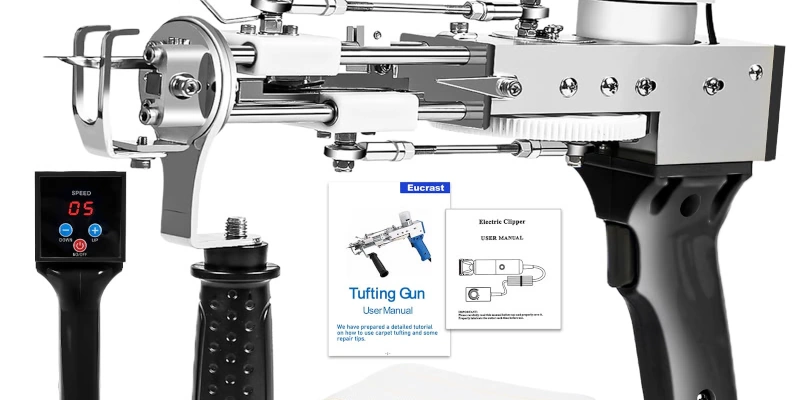
Why it matters: tufting sits at the intersection of the two biggest home aesthetics of the moment—high-texture decor and “grandma-core” coziness. Most budget guns are 2-in-1 cut-and-loop machines, meaning one tool gives you both the dense cut-pile of a luxury rug and the tidy loop-pile of a vintage bath mat. Expect a small learning curve (and a couple of wonky first squares), but beginners routinely finish a 2-by-3-foot rug in a weekend.
2. Chunky Knit Blanket Loom Kit
Hand-knitting a blanket the old-fashioned way with arm-sized yarn is lovely in theory and a wrist-torture device in practice. Enter the chunky knit blanket loom—a flat wooden frame of pegs that turns what used to be an hours-of-practice skill into a genuinely approachable weekend project ClassBento.
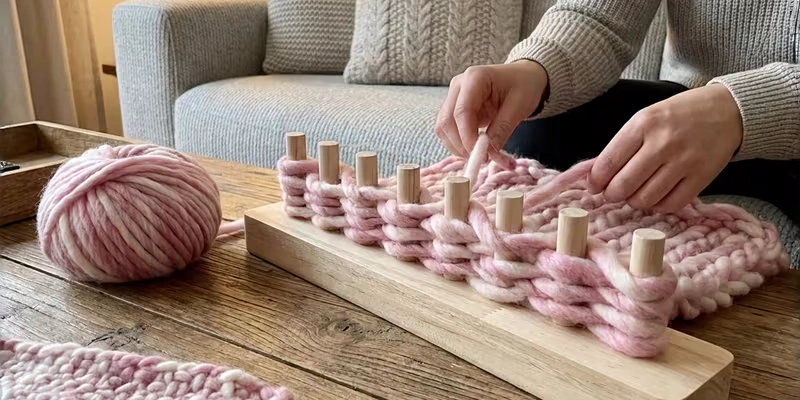
This is “grandma-core” revival in its purest form: oversized, hand-knit throws and textured pillows that layer that heirloom-comfort feeling over modern apartments Craft Loft. Kits typically bundle the loom with chunky chenille yarn and pattern cards, and many fold flat for storage. At roughly $60–$80 all-in, you get a blanket that reads “boutique purchase” for a fraction of the price and about 100% more bragging rights.
3. Preserved Moss Wall Art Kit
For anyone who loves the look of a living wall but has historically murdered every fern that entered their home, preserved moss art is the cheat code. These kits ship with real, preserved reindeer moss, dried botanicals, a frame, and adhesive—no watering, no sunlight, no guilt Br Succulent Co..
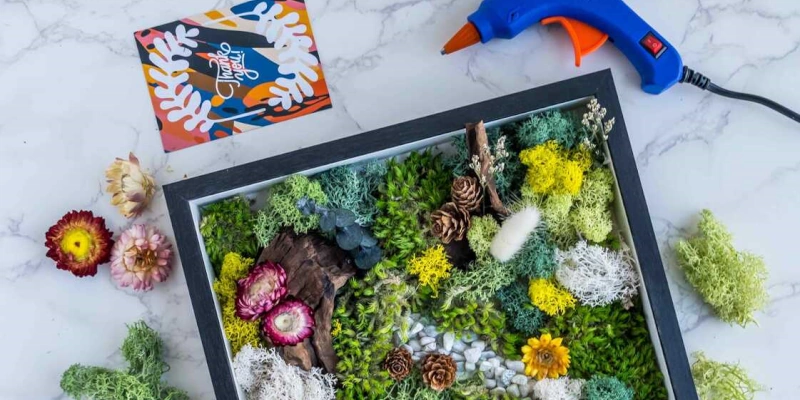
Moss art taps directly into 2026’s biophilic-design wave, bringing the calm of greenery into rooms where a real plant simply can’t survive Craft Loft. The project itself is tactile and meditative—gluing down soft mounds of moss is about as close to adult playdough as it gets—and the finished panel is genuinely decorative, not just “crafty.” Pro tip: build a pair and hang them as a set in a hallway or home office.
4. Air Dry Clay Kit
One viral favorite from 2026’s craft scene that costs almost nothing to sample: air-dry clay. No kiln, no oven, no special tools—just clay that hardens on its own, shaped into scalloped trinket dishes, organic incense holders, candle cups, and little catch-all trays Craft Loft.

It’s the gateway drug of “sustainable and functional art.” Because you’re making useful objects—not just shelf dust—the results tend to actually stick around in your home. Starter kits usually include several clay colors and a handful of sculpting tools, and the 24-color versions are popular enough to top Amazon’s pottery-and-clay best-seller lists Amazon. Cheap, forgiving, and endlessly re-doable: if you botch a dish, you just re-wet and roll it again.
5. Smart Tiles Peel-and-Stick Backsplash
For renters and commitment-phobes, the kitchen remodel of 2026 is a roll of peel-and-stick tile. Smart Tiles in particular has become shorthand for the category—glossy, heat- and moisture-resistant vinyl tiles that mimic subway, marble, and mosaic for a sliver of the cost of real tile work Amazon.
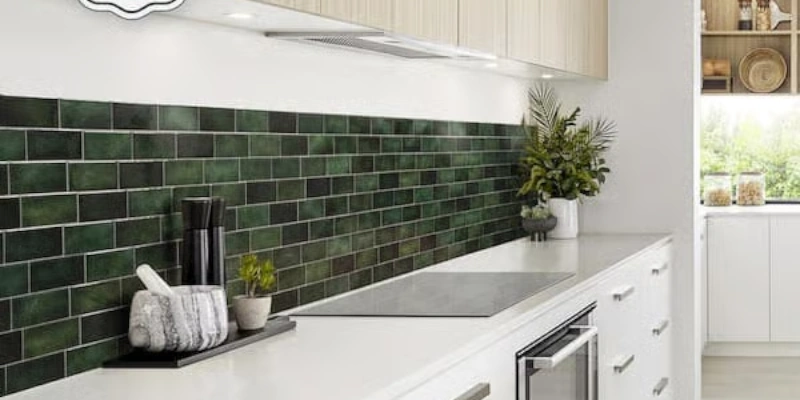
The appeal is genuinely practical: low-VOC, renter-friendly, and removable without wrecking the wall, yet it withstands the splatter of a working kitchen. Wirecutter’s removable-wallpaper testing is a good signpost here—easy one-person application and repositionability are now the bar, and peel-and-stick products cleared it handily Wirecutter. A single weekend can transform the most dated corner of a home for under $100.
6. AeroGarden Harvest Elite
The indoor-hydroponics category has matured nicely, and the AeroGarden Harvest Elite remains the tester favorite for good reason: it just works. Serious Eats named it their top indoor herb garden, praising how quickly it germinates, how easy it is to clean, and a genuinely useful digital screen that tells you when to add water and plant food Serious Eats.
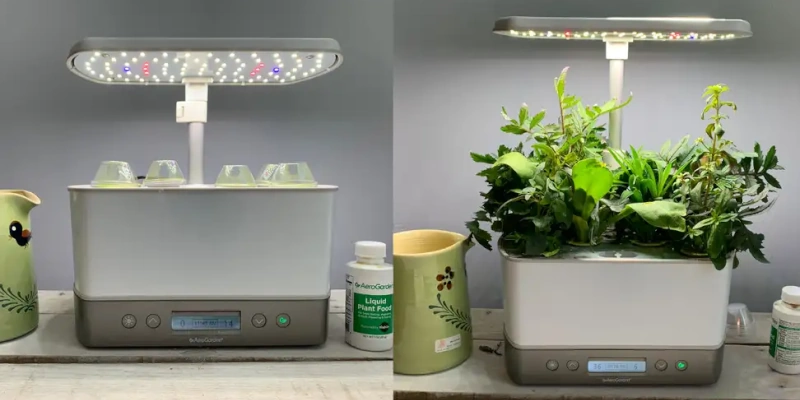
Six pods of hydroponically grown herbs on your countertop sounds fancy, but the reality is a compact, near-hands-off machine with a telescoping LED light and a “vacation mode” that sips water and dims lights while you’re away Serious Eats. It’s the DIY product for people who think they can’t grow things—which, in 2026, is a very large and very specific market.
7. Cricut Maker 4
If tufting is 2026’s texture trend, the Cricut Maker 4 is its personalization engine. This flagship cutting machine handles more than 300 materials—vinyl, iron-on, cardstock, fabric, even thin wood and leather—so the same machine that customizes a tote bag can also cut a stencil for the bathroom wall Cricut.
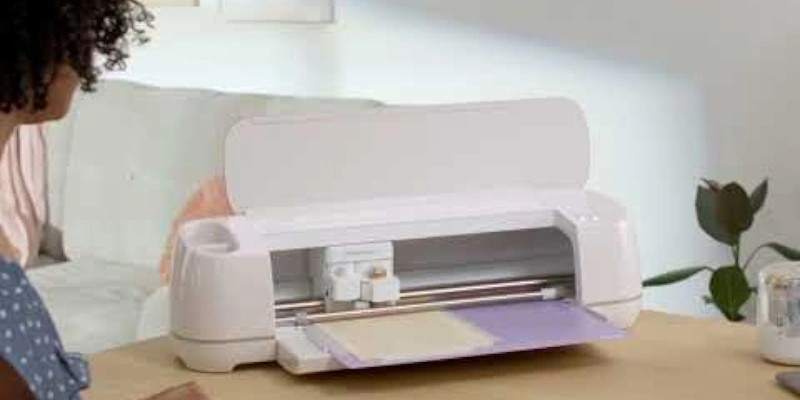
The Maker 4 lists at $399 and often dips lower on sale, which is admittedly an investment—but it’s the machine most craft reviewers point to when you want speed, accuracy, and headroom for a small side hustle, not just a hobby Cricut. The “2026 home” is increasingly about custom labels, monogrammed linens, and gallery-wall vinyl—all of which are one cut file away.
8. Yale Assure Lock 2
Smart locks finally crossed the DIY threshold, and the Yale Assure Lock 2 is the category’s current sweet spot—CNET and other testers consistently rank it as a top pick for its blend of security, reliability, and features, including Matter support for future-proofing SmartLockMFG.
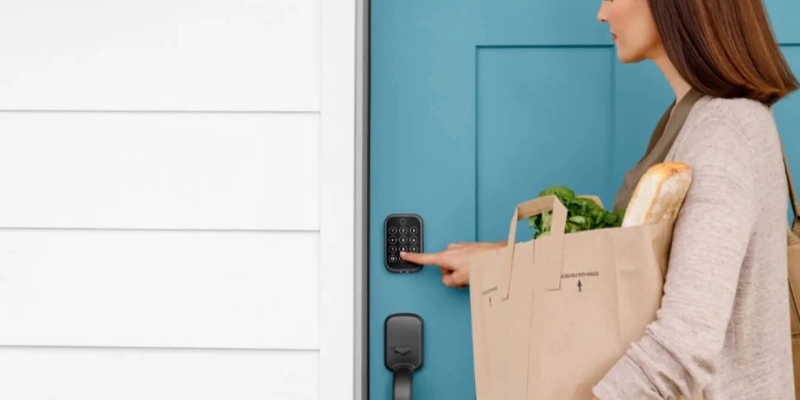
Here’s the thing that makes it a home product rather than a gadget: installation is a screwdriver job over your existing deadbolt—no rewiring, no pro visit needed. You keep your keys, add a touchscreen keypad, and suddenly “did I leave the door unlocked?” becomes a phone-app question instead of a 2 a.m. hallway walk. Around $249, it’s the rare smart device that pays for itself in peace of mind plus one avoided locksmith call.
9. Ryobi USB Lithium Screwdriver
Every home needs exactly one do-everything screwdriver, and in 2026 the best-reviewed electric screwdrivers are the compact Ryobi USB Lithium models—small, rechargeable via USB-C, and light enough to live in a kitchen junk drawer Reviewed.
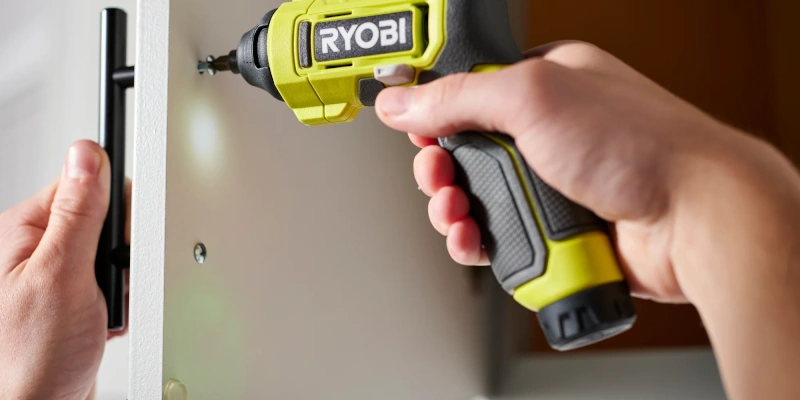
Its superpower is furniture assembly—the flat-packed goliaths that arrive with 47 screws and a hex key designed by someone who hates you. The multi-head version even swaps between shafts for tight corners, and the whole kit costs less than a single dinner out. It doesn’t replace a proper drill, but for 90% of around-the-house fastening, it’s the tool you’ll actually reach for.
10. Govee Strip Light 2 Pro
Rounding out the list is the easiest “glow-up” in the home: smart LED strips. Wirecutter’s current favorite is the Govee Strip Light 2 Pro, praised for bright, accurate color and a deep library of effects that go well beyond the rainbow-cycle cliché Wirecutter.
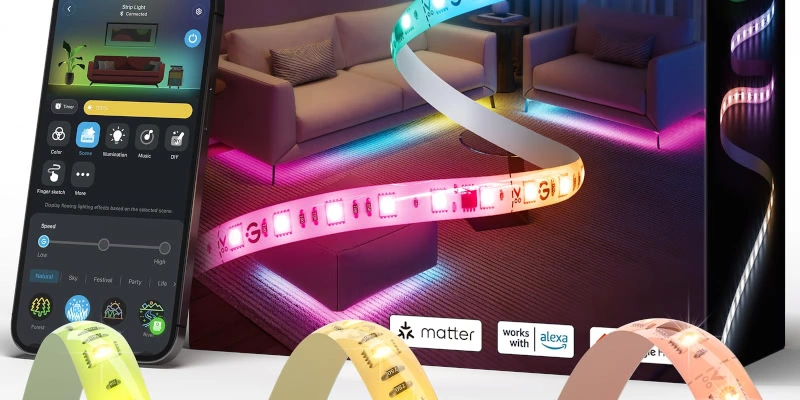
The DIY angle is the fun part: under-cabinet kitchen glow, a backlit TV that syncs to what’s on screen, or a soft cove of warm light behind the headboard. These strips are cuttable, adhesive-backed, and—crucially for a 2026 smart home—Matter-compatible, so they’ll talk to Alexa, Google, Apple Home, or SmartThings without a compatibility headache Amazon. It’s the lowest-effort, highest-atmosphere upgrade on this entire list.
The Verdict
What’s striking about this year’s list is the balance: half of it is slow—yarn, clay, moss, and tufting that reward patience with objects you’ll actually keep—while the other half is smart—locks, lights, gardens, and tools that quietly remove friction from daily life.
2026’s DIY energy sits exactly at that intersection of tactile and technological Future Products. Whether your Saturday project is punching a rug or swapping a deadbolt, the through-line is the same: your home should feel a little more like yours by Sunday night.
Note: Prices are approximate and sourced from the linked reviews as of August 2026; they fluctuate by retailer and sale season. Product images are sourced from the retailers and reviewers cited above.